
Sustainability has become an important part of modern home construction, especially for homeowners building custom homes. Today’s luxury homes are not only defined by their design and craftsmanship, but also by the materials used to build them. Many homeowners are now looking for options that reduce environmental impact while creating healthier living spaces.
For custom homes in the Niagara region, eco-friendly building materials offer a way to combine durability, aesthetics, and responsible construction practices. From reclaimed wood to low-VOC finishes, these materials can play a meaningful role in creating a home that feels both refined and thoughtfully built.
At Homes by Hendriks, we’ve seen a growing number of homeowners interested in sustainable materials that enhance both the quality and longevity of their custom homes.
Reclaimed and Recycled Wood
Reclaimed wood has become one of the most popular sustainable materials used in high-end homes. Instead of harvesting new lumber, reclaimed wood is sourced from older structures such as barns, factories, or historic buildings and repurposed for new construction.
Beyond its environmental benefits, reclaimed wood brings character that simply cannot be replicated with new materials. Each piece carries its own grain patterns, weathering, and subtle imperfections that add warmth and authenticity to a space.
In custom homes, reclaimed wood is often used for:
- Ceiling beams and architectural accents
- Feature walls and paneling
- Custom cabinetry and shelving
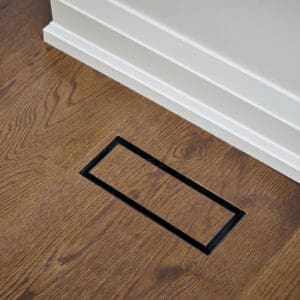
- Hardwood flooring
Because the wood has already aged and stabilized, it can also perform extremely well over time.
Sustainable Flooring Options
Flooring is one area where eco-friendly materials can make a significant difference. Fortunately, there are now many high-quality options that offer both sustainability and durability.
Popular sustainable flooring materials include:
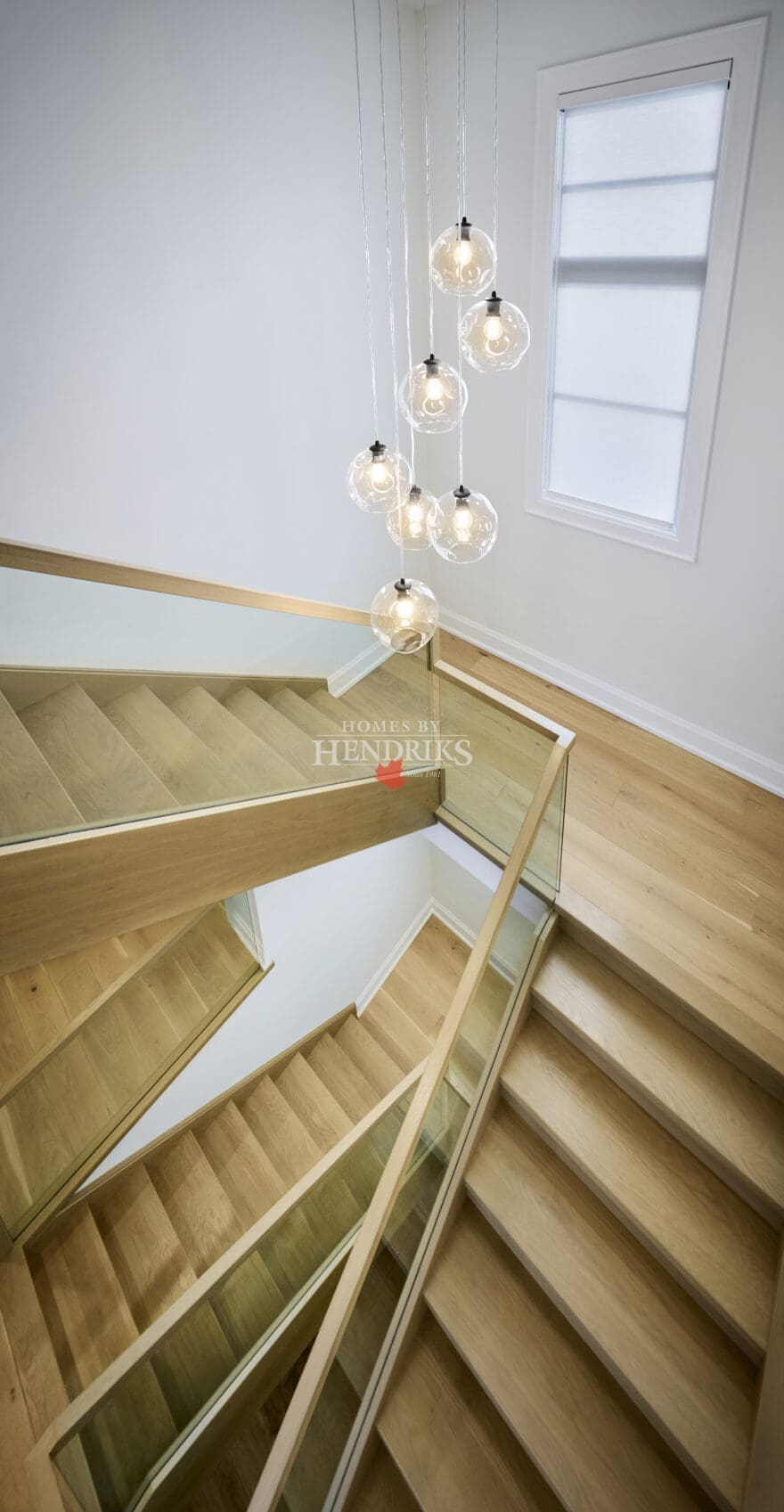
- Engineered hardwood, which uses less solid wood while maintaining the look and strength of traditional hardwood
- Bamboo flooring, a rapidly renewable material known for its durability
- Cork flooring, harvested from tree bark without cutting the tree down
- Reclaimed wood flooring, which repurposes existing materials rather than producing new lumber
These options provide the same visual appeal expected in luxury homes while reducing the environmental impact of construction.
Low-VOC Paints and Finishes
Indoor air quality is an important consideration when selecting building materials. Many traditional paints, stains, adhesives, and finishes contain volatile organic compounds (VOCs), which can release gases into the air during and after installation.
Low-VOC or zero-VOC products significantly reduce these emissions, helping to create a healthier indoor environment.
Common low-VOC products used in custom homes include:
- Interior paints and primers
- Wood stains and protective finishes
- Cabinet coatings
- Adhesives and sealants
These products perform just as well as traditional finishes while contributing to improved indoor air quality.
Energy-Efficient Windows and Doors
While not always thought of as a “material,” windows and doors play an important role in the sustainability of a home.
Modern high-performance windows are designed to improve insulation, reduce heat loss, and limit unwanted solar heat gain. Features often include:
- Double or triple-pane glass
- Low-emissivity (Low-E) coatings
- Insulated frames
- Argon or krypton gas between panes
High-quality windows and doors help reduce the energy required to heat and cool a home, making them an important part of environmentally responsible construction.
Sustainable Insulation Materials
Insulation is another area where environmentally conscious materials are becoming more common.
Some sustainable insulation options include:
- Cellulose insulation, made primarily from recycled paper products
- Mineral wool, produced from natural or recycled stone materials
- Wood fiber insulation, which provides excellent thermal performance
These materials can offer strong energy performance while reducing reliance on petroleum-based products.
Durable Materials That Last
One of the most overlooked aspects of sustainability is durability. Materials that last longer require fewer replacements and less maintenance over time.
High-quality stone, brick, metal roofing, and well-crafted wood products can significantly extend the life of a home while maintaining their appearance for decades.
For custom homes, investing in durable materials is often one of the most effective ways to reduce long-term environmental impact.
Building Sustainable Custom Homes in Niagara
Eco-friendly materials are becoming an important part of modern home design. By combining sustainable products with thoughtful planning and high-quality craftsmanship, homeowners can create homes that are both beautiful and responsible.
At Homes by Hendriks, we have years of experience building high-end custom homes throughout the Niagara region and beyond. Our focus is on thoughtful construction, quality materials, and homes that are built to perform for generations.
For homeowners planning a custom home in Niagara, selecting the right materials is an opportunity to create a space that reflects both personal style and long-term sustainability.