


Landscaping with Native Plants for Sustainable Niagara Yards
Sustainability in custom home design extends far beyond energy efficiency and building materials. Increasingly, it is shaping how outdoor environments are designed, planted, and maintained. In Niagara, one of the most effective and impactful strategies for sustainable landscaping is the use of native plants.
Native landscaping is not simply a trend—it is a return to ecological balance, informed by a better understanding of how residential properties interact with their surrounding environment.
Why native plants matter
Native plants are species that have evolved naturally within a specific region over thousands of years. In Ontario, this means they are uniquely adapted to local climate conditions, soil types, and seasonal patterns.
Because of this adaptation, native plants typically require significantly less irrigation once established. They also demand fewer fertilizers and pesticides, reducing both environmental impact and long-term maintenance costs. In many cases, they are more resilient to local pests and weather extremes than imported ornamental species.
Supporting biodiversity in residential landscapes
One of the most important benefits of native landscaping is its role in supporting biodiversity. Residential properties, when designed thoughtfully, can function as small but meaningful ecological corridors.
Pollinators such as bees, butterflies, and hummingbirds rely heavily on native flowering plants for food sources. Birds and small wildlife also depend on native shrubs and grasses for shelter and nesting. By incorporating these species into residential landscapes, homeowners actively contribute to the health of the broader ecosystem.
This ecological value is particularly significant in rapidly developing regions, where natural habitats are increasingly fragmented.
Design potential beyond sustainability
While sustainability is a major driver, native landscaping also offers strong aesthetic value. These plantings tend to create more naturalistic, layered environments that evolve throughout the seasons.
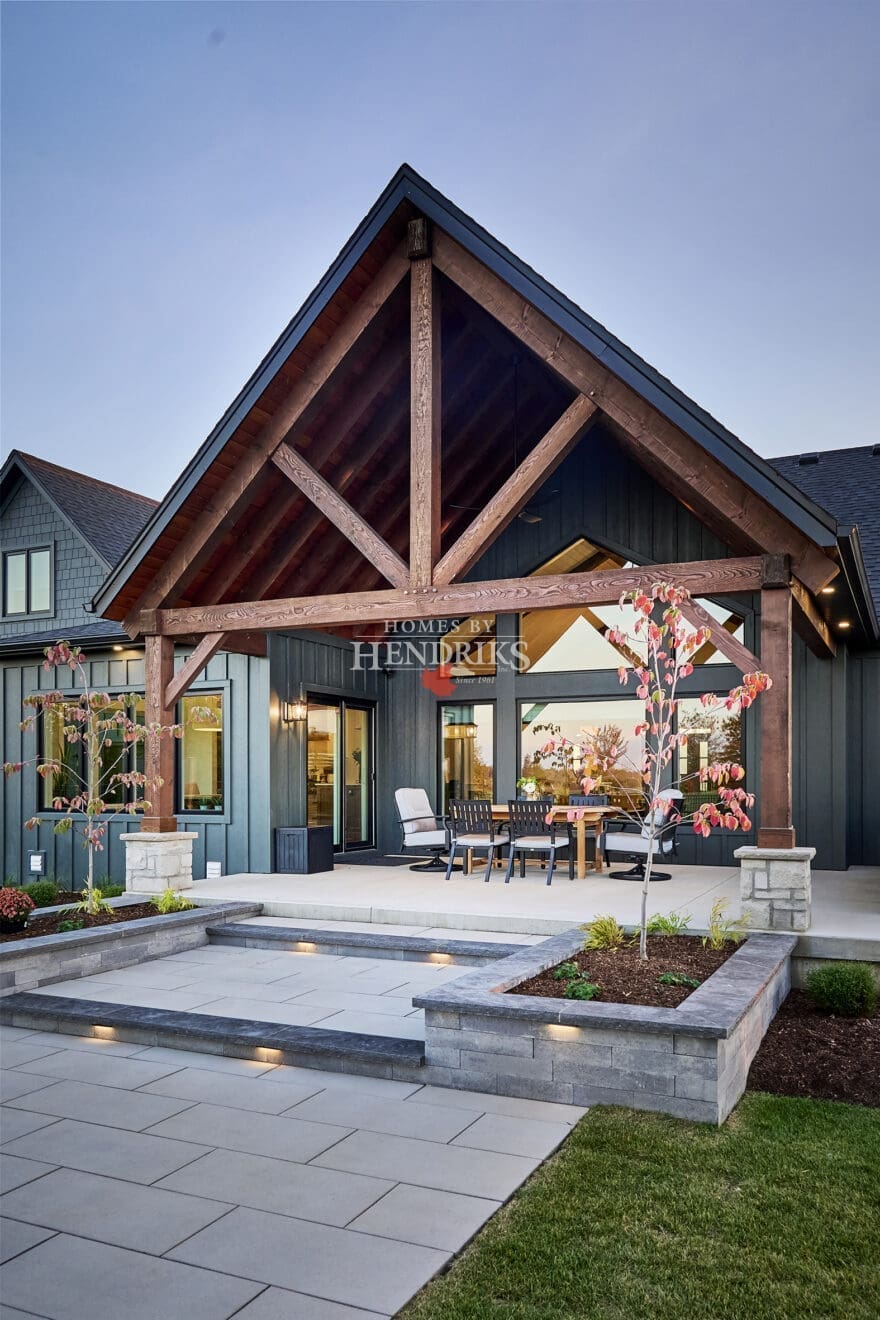
Instead of rigid symmetry or highly manicured layouts, native gardens often emphasize movement, texture, and variation. Tall grasses, flowering perennials, and structured shrubs can be combined with modern hardscaping elements such as stone walkways, concrete pads, and architectural lighting to create a balanced and refined outdoor composition.
The result is a landscape that feels both intentional and organic—structured, yet alive.
Reduced maintenance and long-term resilience
For homeowners, one of the most practical advantages is reduced maintenance. Native landscapes typically require less mowing, trimming, watering, and chemical treatment. Once established, they tend to become self-sustaining systems that evolve naturally over time.
This resilience also contributes to long-term property value. A well-designed native landscape ages gracefully, avoiding the rapid decline that can occur in high-maintenance ornamental gardens.


